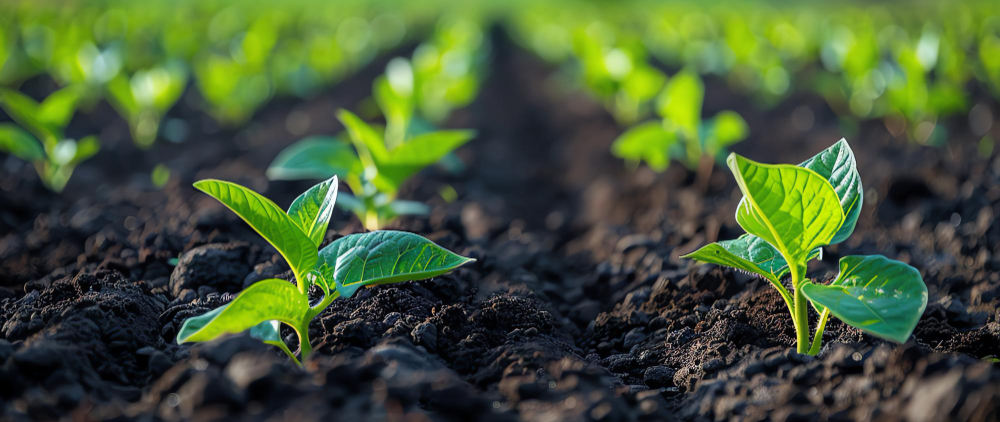
With unpredictable rainfall seasons and rising temperatures across East Africa, smallholder and commercial farmers are confronting a new agricultural reality. The Food and Agriculture Organization (FAO) has increasingly spotlighted Climate-Smart Agriculture (CSA) as the essential pathway forward—with biological inputs, specifically biofertilizers and biostimulants, serving as critical frontline defenders for crop resilience and yield stability.
Under the FAO International Code of Conduct for the Sustainable Use and Management of Fertilizers, biological inputs are categorized into two complementary pillars:
- Biofertilizers: Living formulations of beneficial microorganisms (bacteria, fungi) that mobilize locked soil minerals—fixing atmospheric nitrogen and solubilizing phosphorus into plant-available forms.
- Biostimulants: Natural biological substances (amino acids, humic substances, seaweed and botanic extracts) that trigger internal plant defenses, enhancing root elongation, nutrient uptake efficiency, and abiotic stress resistance.
How Biostimulants Shield Crops from Abiotic Stress
According to FAO agronomic studies, abiotic stressors (drought, excessive heat, and soil salinity) cause over 50% of global crop yield reductions. When a plant experiences moisture deprivation or intense solar radiation, its cellular machinery produces toxic Reactive Oxygen Species (ROS), leading to wilting, blossom drop, and stunted vegetative growth.

1. Osmotic Regulation & Moisture Conservation
Foliar biostimulants rich in amino acids and bioactive peptides trigger rapid osmotic adjustment within plant cells. Plants treated with biological foliar stimulants retain up to 28% more intracellular water during mid-day heat spikes, keeping stomata regulated and preventing permanent wilting point collapse.
2. Antioxidant Defense Activation
Biological foliar stimulants stimulate the production of endogenous antioxidant enzymes—including superoxide dismutase (SOD) and catalase. These protective enzymes neutralize harmful free radicals before they damage cell membranes and chloroplasts, allowing photosynthesis to continue uninterrupted.
3. Root System Architecture Enhancement
Inoculation with beneficial rhizobacteria and mycorrhizal biofertilizers prompts root hairs to expand downward and outward. In sandy and semi-arid terrain, expanded root surface area enables crops to tap into deep residual subsoil moisture that synthetic fertilizer-treated plants cannot reach.
Field Performance: Standard Synthetic vs. Bioinput Integrated Programs
| Crop Condition Parameter | Conventional Chemical Only | Integrated Bioinput Program (KSM IMARA) |
|---|---|---|
| Drought Survival Rate | High mortality (35% - 50% stand loss) | 85%+ stand survival through extended dry spells |
| Phosphorus Uptake Efficiency | Low (80% of synthetic P fixes into insoluble rock) | Continuous microbial solubilization via mycorrhizae |
| Flowering & Fruit Retention | Frequent blossom drop under heat spikes | Significantly reduced abortion, uniform fruit set |
| Soil Carbon Sequestration | Degrades soil organic carbon over time | Builds stable humic carbon reservoirs |
Practical Integration for Smallholder and Commercial Growers
FAO guidance emphasizes that bioinputs can be seamlessly woven into existing farming operations:
- Seed Treatment / Inoculation: Coat seeds with biological inoculants prior to sowing to establish immediate mycorrhizal colonization upon germination.
- Basal Organic Soil Enrichment: Incorporate solid bio-fertilizer (such as IMARA Bio-Fertilizer) during land preparation to establish rich microbiological colonies.
- Targeted Foliar Applications: Spray foliar bio-boosters (such as IMARA Bio-Booster) early in the morning before flowering and fruit development to prime crops against afternoon heat stress.
- Water-Smart Mulching: Combine biological feeding with organic ground cover to minimize evaporation and preserve moisture reserves.
Synthesized from the FAO International Code of Conduct for the Sustainable Use and Management of Fertilizers (FAO, Rome) and training materials from the FAO program "Bioinputs: The Natural Ally for Sustainable Agriculture".